

Dates: 17–24 November 2026
Venue: Pushkar, Ajmer, Rajasthan, India
Timings: Vary by activity; individual schedules not specified
Entry: No general entry ticket indicated
Booking: No general registration required; accommodation and special activities may require separate bookings
Nearest Major Airport: Jaipur International Airport (JAI)
Nearest Railway Station: Ajmer Junction
Official tourism information: Rajasthan Tourism
Pushkar Camel Fair 2026: Where Rajasthan’s Soul Comes Alive in a Carnival of Colours
17–24 November 2026 | Pushkar, Rajasthan
Every year, as the golden sands of Rajasthan come alive with vibrant colours, folk music, decorated camels and thousands of pilgrims, the historic town of Pushkar transforms into the centre of one of India’s most celebrated cultural gatherings — the Pushkar Camel Fair, popularly known as Pushkar Mela.
Held during the Hindu month of Kartik, this extraordinary gathering brings together the worlds of spirituality, livestock trading, folk traditions and rural Rajasthan. From the bustling camel fairgrounds to the sacred ghats of Pushkar Lake, the festival offers a glimpse into India’s living cultural heritage.
The 2026 edition will take place from 17 to 24 November, culminating in the auspicious occasion of Kartik Purnima.
The Sacred Significance of Pushkar
Pushkar holds a special place in Hindu tradition. Situated near Ajmer in Rajasthan, the town is renowned for its sacred lake and the historic temple dedicated to Lord Brahma, the creator in the Hindu trinity.
According to Hindu mythology, Pushkar Lake came into existence when Lord Brahma dropped a lotus flower upon the earth. The place where the flower fell became a sacred pilgrimage site.
The lake is surrounded by 52 bathing ghats, where devotees gather to perform religious rituals, offer prayers and take holy dips.
The most auspicious period is Kartik Purnima, when pilgrims from different parts of India visit Pushkar to bathe in its sacred waters. According to traditional belief, taking a holy dip during this occasion carries immense spiritual significance and is associated with purification and liberation.
The fair therefore goes beyond a cultural celebration. It is also an important pilgrimage gathering rooted in centuries-old religious traditions.
A Tradition That Brings the Desert to Life
The Pushkar Camel Fair has evolved from a traditional livestock trading gathering into an internationally recognised cultural festival.
Historically, villagers, camel herders, livestock traders and farmers gathered here during the Kartik period to trade animals and participate in religious festivities.
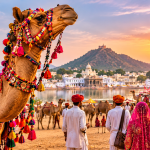
Camels remain one of the most recognisable features of the fair. Decorated with colourful ornaments, embroidered coverings, bells and traditional patterns, these animals create a spectacular sight against the desert landscape.
The fair also brings together horses, cattle and other livestock, reflecting the traditional relationship between Rajasthan’s rural communities and their animals.
For visitors, it offers an opportunity to witness a way of life that continues to shape the cultural identity of the region.
What to Experience at Pushkar Camel Fair 2026
The Pushkar Mela offers an extraordinary combination of traditional competitions, entertainment, religious ceremonies and local experiences.
1. The Camel Fair and Livestock Trading
The livestock grounds are among the most fascinating parts of the festival. Camel herders and traders arrive with their animals, creating a temporary settlement filled with colourful tents and bustling trading activities.
Visitors can observe camel decorations, traditional grooming practices and the everyday life of Rajasthan’s pastoral communities.
2. Traditional Competitions and Cultural Activities
The fair is known for its unusual and entertaining competitions, including:
- Longest moustache competition
- Turban-tying competitions
- Matka Phod (pot-breaking)
- Bridal competitions
- Camel beauty contests and races
These activities showcase the creativity, humour and cultural traditions of Rajasthan.
3. Folk Music and Kalbelia Dance
Rajasthani folk music and dance form an important part of the celebrations.
The performances of Kalbelia dancers are particularly popular. Known for their flowing black traditional costumes, colourful embroidery and graceful movements, Kalbelia performers bring the rhythm of Rajasthan’s desert communities to the festival.
Accompanied by traditional instruments, including the pungi and drums, these performances offer visitors an introduction to Rajasthan’s rich folk heritage.
4. Visit the Sacred Pushkar Lake
No visit to Pushkar is complete without spending time at its sacred lake.
The ghats become particularly active during the festival, with devotees performing rituals, offering prayers and participating in evening aarti ceremonies.
The atmosphere around Kartik Purnima is especially significant, as pilgrims gather for the sacred bathing rituals.
Visitors should respect the religious customs of the ghats and follow local instructions regarding photography and bathing areas.
5. Seek Blessings at Brahma Temple
Pushkar is home to the famous Jagatpita Brahma Mandir, one of the very few prominent temples in India dedicated to Lord Brahma.
The temple attracts pilgrims throughout the year, with particularly large numbers visiting during the Pushkar Fair.
Its religious importance makes it an essential part of the pilgrimage experience.
6. Explore Local Markets and Rajasthani Cuisine
The temporary markets around the fairgrounds offer traditional handicrafts, jewellery, textiles, souvenirs and other locally made products.
Food stalls and local eateries serve Rajasthani specialities, sweets and popular Indian snacks.
The bustling markets provide an opportunity to experience the hospitality and everyday culture of Rajasthan.
Pushkar Fair 2026: Important Dates and Schedule
The 2026 festival is scheduled across different phases, with livestock activities, cultural programmes and religious observances.
17–20 November: Livestock and Camel Fair
The initial days focus on camel and livestock trading. Herders and traders gather with their animals, while competitions and traditional activities take place around the fairgrounds.
21–23 November: Cultural Festival
The later phase features government-supported cultural programmes, folk music, dance performances and other festivities.
24 November: Kartik Purnima
The concluding day coincides with Kartik Purnima, an important occasion in the Hindu calendar. Thousands of pilgrims are expected to visit Pushkar Lake for sacred bathing rituals and religious observances.
Visitors particularly interested in camel trading and pastoral traditions should plan to arrive early in the fair period, as livestock traders may begin departing before the religious celebrations conclude.
Beyond the Fair: Experiences Around Pushkar
Pushkar offers several experiences beyond the main festival grounds.
Visitors can explore the narrow streets of the old town, discover traditional temples, enjoy the views from nearby hilltops and experience the distinctive desert landscape.
Camel safaris and hot-air balloon rides may also be available during the festival, subject to operator schedules, weather and availability.
Temporary tented accommodation around Pushkar offers another way to experience the festival atmosphere. Visitors can choose from basic camps to more luxurious tented stays.
How to Reach Pushkar
By Air: Jaipur International Airport is a major airport for travellers visiting Pushkar. Ajmer is also accessible from Jaipur by road.
By Rail: Ajmer Junction is the nearest major railway station, approximately 15 km from Pushkar.
By Road: Pushkar is connected to Ajmer and other major Rajasthan destinations by road. Regular buses and taxis operate between Ajmer and Pushkar.
Travellers should arrange accommodation and transportation well in advance, as visitor numbers increase significantly during the fair.
A Celebration of Rajasthan’s Living Heritage
The Pushkar Camel Fair is much more than a gathering of livestock traders and tourists. It is a meeting point of faith, folklore, rural traditions and community life.
From the decorated camels of the desert to the sacred waters of Pushkar Lake, every aspect of the festival reflects a different dimension of Rajasthan’s cultural identity.
For pilgrims, it is an opportunity to participate in an auspicious religious occasion. For travellers, it is a chance to discover the colours, music and traditions of rural India.
As Pushkar prepares for its 2026 celebrations, the town once again invites visitors to experience a festival where spirituality and culture come together in a remarkable setting.
Mark your calendar for 17–24 November 2026 and experience the timeless spirit of Pushkar Mela.
